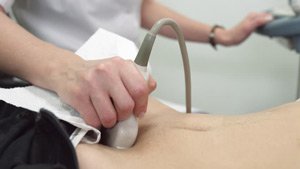
Pelvic ultrasound for men is an ultrasound screening of the genitourinary and reproductive systems, during which the doctor assesses the condition of the prostate, bladder, seminal vesicles and vas deferens. A pelvic ultrasound for men helps to detect inflammatory processes, structural changes, urinary retention or other abnormalities even before the onset of pronounced symptoms. The method is safe, involves no radiation exposure and has no contraindications, making it suitable for both initial diagnosis and preventive monitoring. After the age of 45, this examination should be carried out annually, even if there are no symptoms: at this age, the risk of changes in the prostate and genitourinary system gradually increases.
Ultrasound of the pelvic organs in men helps the doctor make meaningful conclusions:
- The condition of the prostate gland, lymph nodes and soft tissues
- The residual volume of urine in the bladder, the overall structure of the organ, the wall thickness
- On possible changes in the structure of seminal vesicles
- About the stages of inflammation in the genitourinary system
- On the causes of infertility, erectile dysfunction
- About the presence of neoplasms of benign (cysts, abscesses) and malignant (oncological tumors)
- On the presence of foreign bodies (stones and sand) in the organs and channels of the genitourinary system (detection of urolithiasis)
- On the shape, size, localization and structure of the prostate gland, the presence of pathological formations in the organ, the development of prostate adenoma
- On the condition of the vas deferens.
Ultrasonic screening of pelvic organs becomes an obligatory diagnostic procedure for men over 45 years of age. With the preventive purpose, the attending urologist may prescribe a study every year.
Indications for US-diagnostics
Indications for the UZ-diagnosis of the genitourinary and reproductive system in men are the following complaints:
- Violation of urination, accompanied by discomfort and pain
- Incomplete emptying of the bladder, the remains of urine in the organ
- False urge to urinate, difficulties in the process
- Pulling pain in the perineum or in the lower abdomen, localized in the bladder
- Pain in the lower back, kidney colic
- Pain in the genitals, rectum, scrotum and other pelvic organs
- Traces of bloody or purulent discharge in the urine or ejaculate
- Suspicious discharge from the urethra, having an unpleasant odor and uncharacteristic color
- Trauma of the pelvic organs
- Problems with erection
- Infertility
- Pathology in the functioning of the genitourinary system
- Suspicion of cancerous, purulent and benign neoplasms
- Examination before planned surgical interventions on the kidneys, intestines, pelvic organs.
Transabdominal ultrasound vs transrectal ultrasound of the prostate: which method is more accurate?
Transabdominal ultrasound and TRUS differ in how they are performed and their level of detail. The first method is performed through the abdominal wall with a full bladder, making it suitable for a general examination of the pelvic organs. TRUS is performed via the rectum, which allows the probe to be positioned closer to the prostate and provides the doctor with a more accurate image of its structure. This is why Avicenna Med offers transrectal ultrasound (TRUS) as an informative method for the early detection of adenoma, inflammatory changes or suspicious prostate lesions.
The examination method | How it is performed | What it allows us to assess | When is it most commonly used |
Transabdominal ultrasound | The doctor applies gel to the lower abdomen and moves the transducer across the abdominal wall. The bladder must be full/ | The general condition of the bladder and prostate, residual urine volume, and gross structural changes. | For initial examination, monitoring of the bladder, assessment of residual urine. |
Transrectal ultrasound of the prostate | A thin probe is inserted into the rectum, using gel to reduce discomfort. | Size, contours, structure of the prostate, seminal vesicles, cysts, nodules, signs of adenoma or neoplastic changes. | When a detailed assessment of the prostate is required or there is a suspicion of prostatitis, adenoma or cancer. |
Combined approach | If necessary, the doctor may combine both methods. | This provides a broader picture of the condition of the genitourinary system. | If both the bladder and the prostate need to be assessed as thoroughly as possible. |
Preparation for a pelvic ultrasound in men
Preparation depends on the type of examination. If a transabdominal ultrasound of the male pelvic organs is scheduled, you should drink about 1 litre of water approximately 1 hour before the procedure and refrain from using the toilet so that the bladder is full. This helps the doctor to better assess its contours, residual urine volume and the general condition of the pelvic organs. If you have any concerns or require a preliminary consultation, our Avicenna Med clinic offers a “Urology” service, where a doctor can determine the optimal diagnostic approach.
Preparation for a TRUS is slightly different: 1.5 hours before the procedure, you need to have a cleansing enema and drink about 1 litre of fluid if the doctor plans to assess the bladder as well. A special diet is not usually required, so the patient does not need to change their usual eating habits a few days before the examination. The examination can be carried out at any time of day; the main thing is to follow the simple recommendations correctly before your visit.
To register for ultrasound of pelvic organs in men in the Center for Progressive Medicine «AVICENNA MED» you can call:
(050) 100 34 02
(096) 100 34 02
(044)337 90 30
Frequently Asked Questions (FAQ)
1. Does a TRUS scan hurt?
The procedure is usually not painful, but may cause minimal discomfort. The probe is thin, gel is used, and the doctor proceeds with care. If you are anxious, please mention this before the examination begins.
2. Can I have sex before a prostate ultrasound?
It is best to abstain from sexual activity for 1–2 days before the prostate examination. This helps to obtain a more accurate assessment of the condition of the prostate and seminal vesicles.
3. Do I need a referral from a urologist?
No, you can book an appointment yourself. However, if you have any symptoms, previous test results or an existing diagnosis, a consultation with a urologist will help you interpret the results correctly.